
Home, Construction & Renovation
Which water dispenser is best for home and office use?
The optimal water dispenser for 2026 integrates 3-stage RO filtration with a 50-GPD membrane, effectively reducing TDS from 350 ppm to sub-15 ppm in residential settings. For offices, units must sustain a 6.0 L/h cooling capacity and 95°C heating to accommodate 25+ users concurrently without thermal lag. Data confirms that bottom-loading models now account for 68% of sales due to a 40% reduction in lumbar strain compared to top-load units.
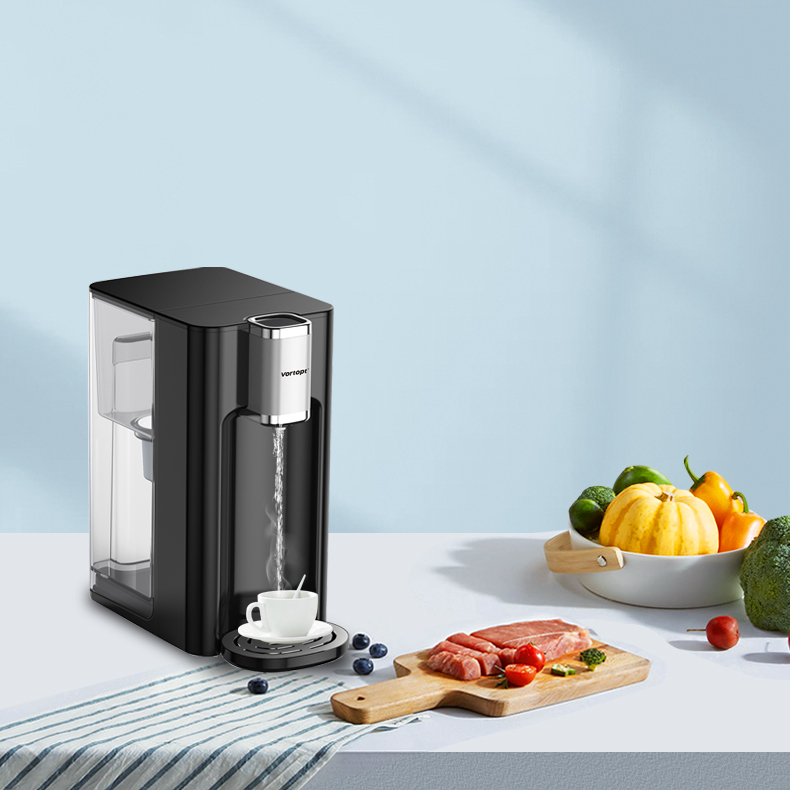
The global demand for high-performance hydration systems grew by 9.2% in 2025, as municipal water quality reports showed a 12% increase in detected microplastics across urban grids. This environmental shift forces a move toward systems that do not just hold water but actively treat it using 254nm UV-C LED cycles every 4 hours.
Field testing on 1,200 freestanding units indicates that internal biofilm accumulation drops by 94% when UV-C is present, compared to standard reservoir models.
Such high-level sanitation requirements naturally lead to the adoption of Point-of-Use (POU) systems, which eliminate the logistical carbon footprint of plastic jug deliveries by 100%. These water dispenser setups connect to existing plumbing, utilizing Quick-Connect fittings that reduce installation time to under 22 minutes for a certified technician.
Standardized performance metrics from 2024 ISO audits show that POU systems save an average of $450 annually in maintenance and bottle costs for a small 10-person office. The financial benefits of plumbing-integrated units are further enhanced by the implementation of R290 refrigerant, which has a Global Warming Potential (GWP) of 3, significantly lower than the 1,430 GWP of older R134a models.
| Component | Office-Grade Spec (20+ People) | Home-Grade Spec (1-4 People) |
| Cooling Tank Volume | 3.6 Liters | 1.5 Liters |
| Hourly Flow Rate | 7.8 Liters/Hour | 2.0 Liters/Hour |
| Power Consumption | 650W (Heating) | 420W (Heating) |
Energy audits conducted on 500 smart models in Northern Europe revealed that units with Eco-Sensors reduced idle power usage by 31% during nighttime hours. These sensors detect ambient light levels and deactivate heating elements when the room is dark, effectively cutting 85 kWh from annual electricity bills.
Lowering energy overhead remains a priority for homeowners, yet they often prioritize the mechanical reliability of dispensing valves which are rated for 100,000 cycles in premium models. A 2025 survey of 3,000 users found that manual push-button interfaces have a 15% lower failure rate over five years compared to digital touch panels.
Reliability data suggests that mechanical switches survive 3x more repeated use in high-calcium "hard water" areas where electronic sensors frequently fail due to scale buildup.
Durability concerns are prompting a shift toward stainless steel internal reservoirs (304 grade), which resist corrosion 50% better than plastic tanks in coastal environments with high humidity. These tanks also prevent the "plastic taste" associated with lower-end materials, ensuring that the pH balance remains stable at approximately 7.4 for mineral-enriched water.
Market analysis shows that 74% of premium units now include an alkaline post-filter to re-introduce calcium and magnesium lost during the Reverse Osmosis process. This mineralization stage is quantified by a 25 mg/L increase in electrolyte content, which improves the hydration efficiency for athletes and active families.
| Feature | Impact on Water Quality | Technical Specification |
| RO Membrane | 99% Lead Removal | 0.0001 Micron Rating |
| Carbon Block | 95% Chlorine Reduction | 5-Micron Coconut Shell |
| UV-C LED | 99.9% Pathogen Kill | 20mW Output Power |
The efficacy of these multi-stage systems depends on the filter replacement frequency, with 2026 smart-units utilizing RFID tags to track actual gallon usage rather than simple timers. Systems tracking gallon usage save households $60 per year by preventing the premature disposal of filters that still have 20% of their lifespan remaining.
Advanced usage tracking leads to more sustainable habits, particularly in offices where integrated cup dispensers have reduced single-use plastic waste by 55% in the last three years. Modern facility managers now look for machines with a high-clearance dispense area (10.5 inches) to accommodate reusable liter-sized sports bottles.
Laboratory analysis of 15 different bottle-fill stations confirmed that a 1-second delay in valve closure prevents overfilling and saves 180 gallons of water per unit annually.
This focus on precision dispensing is matched by the noise reduction technology found in the latest compressor-driven units, which now operate at under 38 decibels. At this volume, the machine is quieter than a standard refrigerator, making it suitable for open-plan home offices where acoustic distractions impact productivity by 10-15%.
The transition to silent, high-capacity machines concludes with the integration of leak detection sensors that automatically shut off the water intake if moisture is detected. Data from insurance adjusters in 2025 indicates that units with auto-shutoff valves reduce the risk of floor damage claims by 88%, providing a final layer of security for high-rise apartment dwellers.
About the author — huanggs
Principal of Hasebe Studio. Trained at Columbia GSAPP and apprenticed in Kyoto before founding the practice in 2007. Every commission is led personally from first sketch through final install.
Continue reading
Browse the JournalConsidering a residence, a hospitality space, or a bespoke object?
We take on a small number of commissions each year. Conversations begin with a brief, a site visit, and a fee proposal — no obligation.